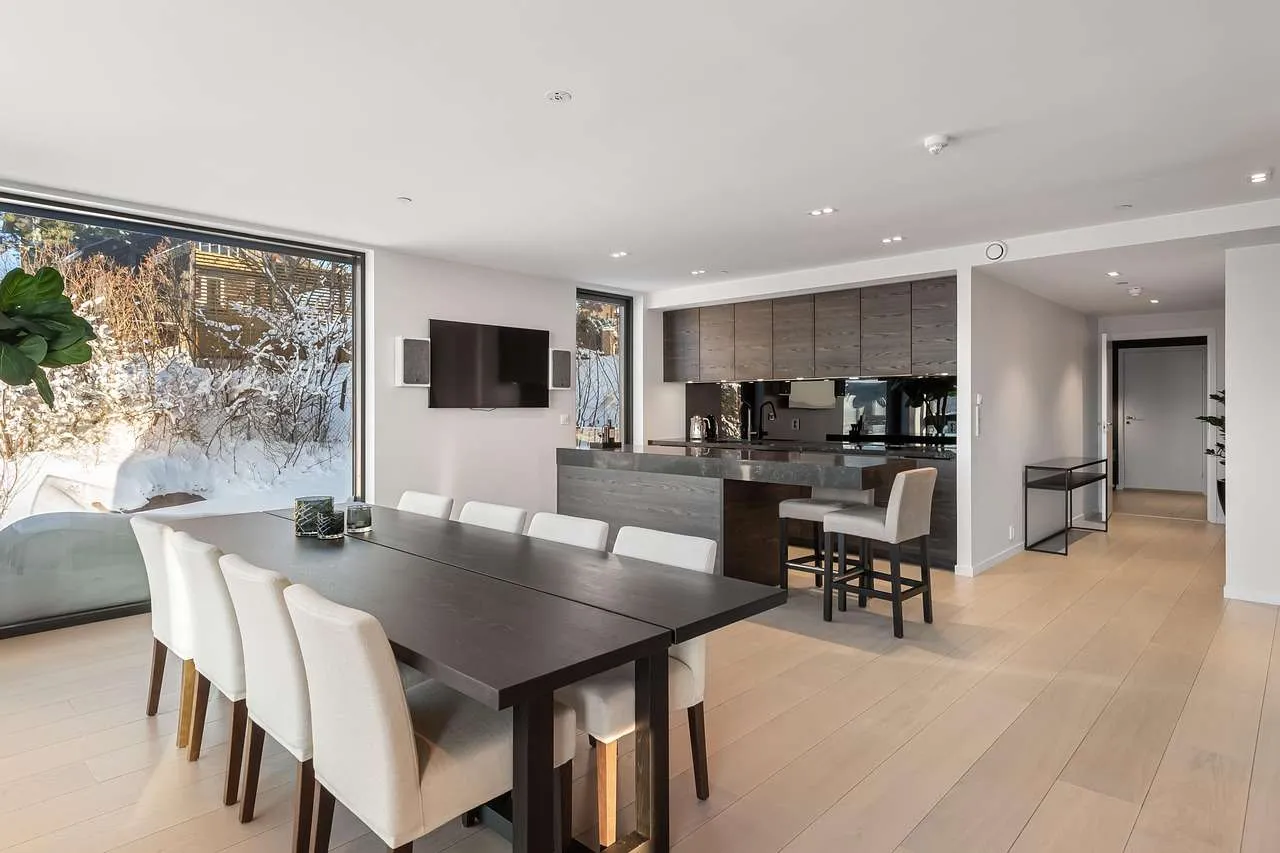
With more than a decade of experience in home maintenance and window systems I guide you through practical and safe approaches to home window repair. This article addresses common problems, explains when to DIY and when to hire a pro, and emphasizes reliable information you can trust. The goal is clear recommendations that help protect your home while boosting energy efficiency and comfort.
Understanding common window problems
Windows face wear from weather, use, and aging seals. Common issues include drafts caused by worn weatherstripping, condensation between panes from failed seals, sticking sashes that do not glide smoothly, cracked or broken glass, and deteriorated glazing compounds that allow air or moisture to enter. Recognizing these symptoms early can prevent further damage to framing and insulation.
- Drafts and poor insulation from failed seals
- Condensation or fogging between double or triple panes
- Sticking or difficult to operate sashes
- Cracked panes or glazing that has loosened
- Water leaks around frames after heavy rain
DIY vs professional window repair
Deciding between DIY repair and hiring a professional depends on the problem’s complexity, safety risks, and warranty implications. Small tasks such as applying weatherstripping or sealing gaps are often suitable for a confident DIYer with basic tools. More complex issues such as replacing glazing, repairing frame rot, or handling tempered or laminated glass should be left to licensed professionals. Professional repair preserves safety standards and home insurance coverage while ensuring parts meet building codes.
Inspection and safety steps
Before any repair, conduct a careful assessment of the window unit and surrounding structure. Look for signs of rot in wood frames, corrosion in hardware, and moisture intrusion around the sill. Safety is paramount when handling glass. Always wear safety glasses and gloves, use proper eye protection, and support heavy panes with a helper. If the glass is tempered or laminated and large, or if you suspect structural damage to the frame, call a pro.
Tools and materials you may need
Basic repairs often require a few common tools. Keep a putty knife, a flathead screwdriver, a utility knife, caulk and a caulk gun, glazing compound, glazing points, a tape measure, a small chisel, and a turbine of silicone sealant handy. For damaged panes you may need replacement glass cut to size, safety glazing if required, and weatherstripping for energy efficiency. Always match glazing compounds and sealants to the glass type and climate conditions.
Costs and timing
Repair costs vary widely by problem scope and local labor rates. Minor tasks like weatherstripping or resealing can cost under a hundred dollars in parts, plus a few hours of labor if you hire a pro. Replacing a single pane can range from under a hundred to several hundred dollars, depending on glass type and frame material. Major repairs such as rot repair or frame replacement cost more and may require several visits. Timelines depend on availability of parts and whether a full frame or sash removal is necessary.
Choosing a window repair service
When selecting a pro, verify licensing and insurance, request recent customer references, and review online ratings. Ask about warranties on parts and labor, and clarify whether they source parts from manufacturers or third parties. A trustworthy contractor will provide a written estimate, explain the expected lifespan of repairs, and offer guidance on maintenance to extend the life of your windows. For energy efficiency upgrades, consider services that can upgrade seals and glass to meet current performance standards.
Maintenance tips to extend window life
Regular maintenance can prevent many common problems. Clean tracks and hardware to ensure smooth operation, lubricate moving parts with manufacturer approved products, inspect seals seasonally and replace weatherstripping promptly, and keep coatings on wood frames topped up to prevent rot. Address moisture intrusion promptly to minimize damage to sills and framing. Smart upgrades such as modern glazing can also improve energy performance and reduce long term costs.
Comparison: DIY vs Professional
| Aspect | DIY | Professional |
|---|---|---|
| Typical tasks | Weatherstripping, sealant touch ups, small glass replacements with safety precautions | Structural frame repair, large glass replacement, rot remediation, complex glazing |
| Cost range | Low to moderate for parts and basic tools | Moderate to high depending on scope and parts |
| Risk | Moderate risk of injury or future leaks if done improperly | Lower risk due to professional training and warranties |
| Warranty | Typically none or limited on DIY work | Warranty on parts and workmanship |
| When to choose | Non structural issues and confidence in basic repairs | Rot, broken glass, seal failure, or frame damage |
Conclusion and next steps
Summary of key takeaways for home window repair includes recognizing common problems early, weighing DIY versus professional options, prioritizing safety, and planning for maintenance. Start with a careful inspection, address simple sealing issues promptly, and know when to call a licensed professional for complex repairs. By combining practical know how with trusted service when needed you can preserve comfort, enhance energy efficiency, and extend the life of your windows for years to come.
Conclusion, applying these guidelines will help you decide when to DIY and when to hire a professional, ensuring safe repairs, durable results, and better performance from your home windows.