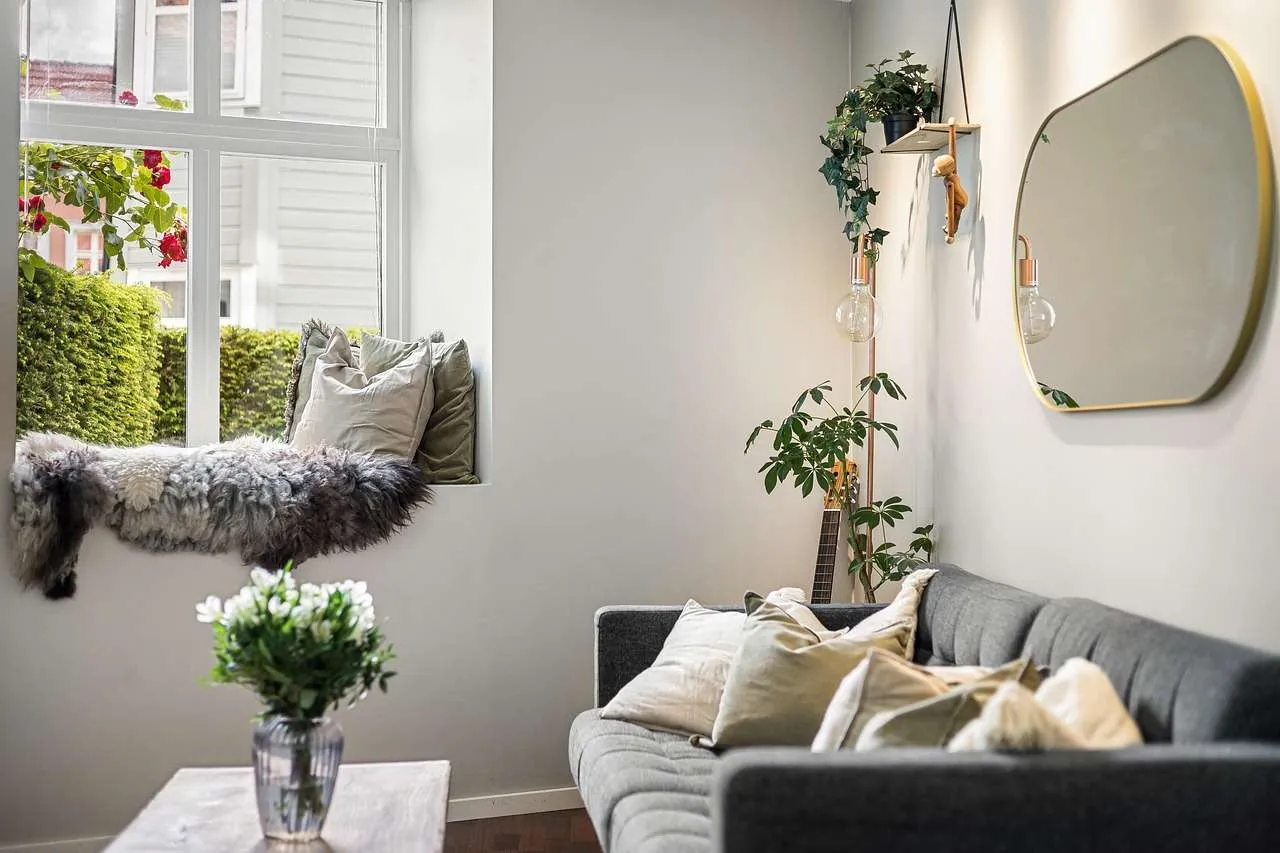
Home window tinting is a practical upgrade that improves comfort, protects interiors, and boosts energy efficiency by applying a specialized film to your windows. For homeowners, the decision hinges on heat reduction, UV protection, privacy, and the potential impact on home value. This guide explains how tinting works, outlines film options, and covers installation and maintenance so you can make an informed choice.
How Home Window Tinting Works
Window films are thin polyester sheets with multiple layers. A tinted or reflective layer, adhesive, and a protective top coat form the core structure. Ceramic or metalized particles can be embedded to block infrared heat while preserving clear visibility. The film is applied to the interior surface of the glass for durability and easy cleaning, reducing heat gain and glare without sacrificing daylight.
Benefits of Home Window Tinting
UV and Glare Reduction
Quality films block a large majority of ultraviolet rays, typically up to 99%, which protects furnishings from fading and reduces eye strain from bright light.
Energy Efficiency
Tinted windows can cut cooling loads by rejecting infrared heat. This often translates to fewer air conditioner cycles and lower energy bills, particularly in sun-drenched rooms.
Privacy and Aesthetics
Tinted film enhances daytime privacy and can provide a cohesive exterior look. It also adds a modern, streamlined appearance to most homes.
Choosing the Right Film for Your Home
Dyed Films
Dyed films are cost-effective and offer solid glare control and color. They may fade over time and provide moderate UV protection compared with higher-end options.
Ceramic Films
Ceramic films are non-conductive and excel at IR rejection with minimal tint shift, preserving a clear, natural view while delivering strong heat control.
Metalized Films
Metalized films deliver excellent heat rejection and durability but can create reflections and may interfere with electronics on very large panes.
Hybrid Films
Hybrid options blend dyed and metalized layers to balance performance, aesthetics, and cost.
Legal Considerations
Local laws and HOA rules often cap visible light transmission or reflectivity. Always verify tint limits for your area and your specific windows before purchasing.
Professional Installation vs DIY
Professional installation ensures precise cuts, bubble-free adhesion, and uniform appearance, along with manufacturer-backed warranties. DIY kits exist but require careful surface preparation, steady hands, and experience to avoid air pockets or edge peeling. When hiring, look for licensed, insured installers and ask about warranty coverage and aftercare instructions.
Maintenance and Longevity
Clean only with non-abrasive, ammonia-free cleaners and a soft cloth. Avoid abrasive pads that can scratch the film. Debris or air pockets can sometimes be resealed by a professional. Most residential window films last 10 to 15 years with proper care and climate considerations.
Cost, Warranties and ROI
Costs vary by film type, window size, and labor. Typical installed price ranges from 1.50 to 6.00 per square foot, with ceramic and high-performance films on the higher end. While a larger upfront investment may be required, benefits like reduced cooling costs, furniture protection, and improved comfort contribute to a favorable return over time. Look for long warranties (often 10 to 15 years) and see if the installer provides a transferable guarantee.
Comparison of Common Window Film Types
| Type | Pros | Cons | Best Use | Typical Cost/Sq Ft |
|---|---|---|---|---|
| Dyed | Affordable; good color and glare control | Fades over time; limited UV protection | Budget homes | 1.50-3.00 |
| Ceramic | Excellent IR blocking; clear view | Higher cost | High-performance homes | 3.50-6.00 |
| Metalized | Strong heat rejection; durable | Possible reflections; may affect electronics | Energy-focused rooms | 2.50-4.50 |
| Hybrid | Balanced performance and price | Moderate reflectivity | Mid-range homes | 2.00-4.00 |
When choosing a film, request samples, review manufacturer performance data, and confirm warranty terms. A reputable installer will assess each window and ensure the tint complies with local regulations before application.
Summary: Home window tinting offers heat rejection, UV protection, and enhanced privacy. By selecting the right film, understanding legal limits, and working with a licensed installer, you can achieve lasting comfort, protect furnishings, and enjoy energy savings.