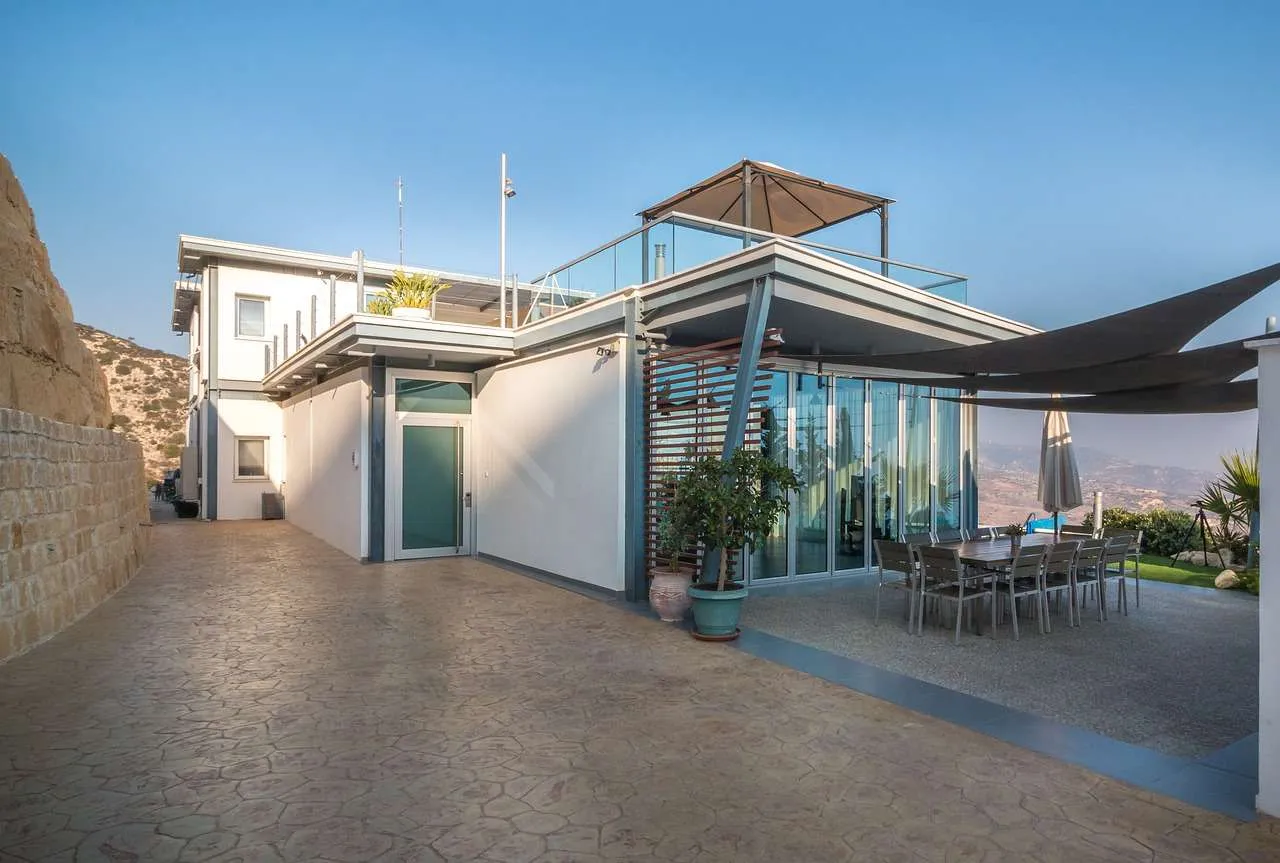
Roofing is the first line of defense for your home. A well-maintained roof protects you from rain, wind, and temperature swings, while a damaged roof can lead to costly interior problems. This article provides an expert, EEAT-friendly overview of roofing and roof repairs, with practical guidance on when to repair, how to choose a contractor, and how to maintain your roof for years to come.
Understanding Roofing and Roof Repairs
Roof systems are built in layers: decking (the structural base), underlayment, shingles or other covering, flashing, and vents. Each component has a role in preventing moisture intrusion and regulating temperature upstairs and down. Roof repairs address localized problems—such as a damaged shingle or a leaky flashing—without replacing the entire system. When a fault grows or the roof nears the end of its lifespan, a replacement may be more cost-effective in the long run.
Common Roof Problems That Lead to Repairs
Missing or damaged shingles
Strong winds, hail, and aging can loosen or blow off shingles. Exposed underlayment increases the risk of leaks and interior staining, especially after storms.
Leaks and moisture intrusion
Water intrusion may show as stains on ceilings, musty odors, or mold growth. Leaks often begin around flashing, along valleys, or at vents and penetrations.
Flashing and penetrations
Metal flashing seals joints where the roof meets chimneys, vents, and skylights. Deterioration or improper installation can allow water to seep behind the surface.
Age-related wear
Most asphalt shingles last 15-30 years depending on quality and climate. Granule loss, curling, and brittle shingles signal reduced performance and higher repair frequency.
Roof Repair Options and When to Choose Them
Minor repairs are typically fast and inexpensive and may involve resealing a flashing seam, replacing a small number of shingles, or sealing a small leak. Major repairs address structural concerns, decking replacement, or extensive flashing work, and may require temporary roof access or weather protection during work.
| Type | Pros | Cons | Typical Cost | Lifespan |
|---|---|---|---|---|
| Minor repairs (shingles, flashing) | Low cost, quick fix | Temporary; may recur | $150–$600 | 1–3 years |
| Major repairs (deck/structural) | Addresses core issues | More intrusive, schedule dependent | $1,000–$4,000 | 5–15 years |
| Roof replacement | Long-term solution, new warranty | Highest upfront cost | $5,000–$15,000+ | 20–50 years |
Choosing the right option depends on the extent of damage, the roof’s age, and the homeowner’s budget. If more than 30-50% of the roof area is compromised or the decking is damaged, replacement is often more cost-effective than piecemeal repairs. A professional assessment provides an accurate estimate and a plan aligned with local building codes.
DIY vs Professional Roofing
Roof work carries significant safety risks. Falls, electrical hazards, and improper resealing can lead to expensive leaks and injuries. As a rule, small, accessible issues on a simple roof may be tackled by a confident DIYer with proper gear and a buddy, but most repairs—especially on steep pitches, high winds, or near chimneys—should be performed by a licensed roofing contractor. Professional contractors ensure proper ventilation, flashing detail, and that warranties remain valid. They also handle permits and insurance claims if applicable.
Costs, Insurance, and Warranties
Nationally, repair costs vary by region, material, and roof size. Minor fixes are typically a few hundred dollars, while major repairs run into the low thousands. Insurance may cover sudden damage from storms but not wear and tear. Warranties vary—for workmanship, most contractors offer 5–10 years; for materials, manufacturers provide 20–50 years depending on product. Always obtain a written estimate, scope of work, and a warranty clause before work begins.
Preventive Maintenance and Hiring a Contractor
Regular maintenance reduces the frequency of repairs and extends roof life. Biannual inspections, clean gutters, remove debris, address moss or algae, and check attic ventilation. After storms, inspect for damaged shingles, dented flashing, or lifted edges. When hiring a contractor, verify licenses and insurance, ask for references and a portfolio, confirm the project timeline and payment schedule, and require a written contract with clearly defined warranty terms and post-installation support.
Conclusion and Summary
Summary: This article covered common roof problems, repair options, safety considerations for DIY versus professional work, cost and warranty expectations, and practical maintenance tips. By choosing qualified contractors, conducting regular inspections, and addressing issues promptly, homeowners can protect their roofing investment and maintain a durable, weather-resistant home.