Understanding Bathroom Accessories
Bathrooms are small, functional rooms where details matter. The right bathroom accessories can transform a space, improve daily routines, and extend the life of fixtures by protecting surfaces from moisture and wear. This guide, grounded in industry best practices, helps you choose durable materials, align finishes, and arrange essentials for comfort and style. Whether you are renovating a master bath or refreshing a compact powder room, thoughtful accessories create flow and reduce clutter. Quality accessories are not only decorative; they protect fixtures and surfaces by minimizing water pooling and abrasion. A well-chosen set also supports daily routines, reducing friction from clutter.
Types of Bathroom Accessories
Common bathroom accessories fall into several categories that influence both function and feel.
- Storage and organization: towel bars, robe hooks, shelves, vanity trays, and small organizers that keep essentials within reach.
- Soap and cleansing: soap dishes, dispensers, toothbrush holders, and vanity trays that protect surfaces and reduce water damage.
- Toilet and bath fixtures: toilet paper holders, tissue dispensers, grab bars for safety, and shower caddies that keep bottles from cluttering the edges.
- Mirrors and lighting: vanity mirrors, slim shelves with lighting, and wall sconces that brighten tasks without glare.
- Comfort and atmosphere: towel warmers, bath mats, and decorative elements that unify the room’s style while staying durable in moisture rich environments.
When selecting, consider accessibility and safety, choosing durable hardware for households with children or less dexterity.
Materials and Finishes for Longevity
Durability in humidity requires careful material choices. Look for metals with corrosion resistance such as stainless steel or brass, and opt for surfaces that resist tarnish when exposed to water and cleaning agents.
Commonly used materials include stainless steel, brass, aluminum, and ceramic. Finishes offer style as well as protection: chrome, brushed nickel, matte black, and oil or antique finishes coordinate with fixtures and cabinetry. For heavy use areas, choose solid metal or porcelain plated pieces rather than lightweight plastics. If you prefer wood elements, select sealed or treated options designed for bathrooms to prevent warping. For high humidity spaces, protective coatings such as PVD or powder-coated finishes can extend life and keep finishes looking fresh.
Space Planning and Installation Tips
Smart placement matters as much as the items themselves. Measure available wall and countertop space, door swing, and clearances around sinks and showers before buying. A few practical guidelines can help:
- Towel bars or hooks should be positioned where hands reach naturally, typically 40 to 48 inches above the floor for bars and slightly lower for hooks near doors.
- Toilet paper holders are easiest to reach from the seated position and are commonly mounted 26 to 28 inches above the floor.
- Keep frequently used items within a comfortable arm's reach of the sink and shower, and group related items to reduce clutter.
- Mount mirrors and lighting high enough to prevent shadows on the face while maintaining easy cleaning access.
Consider drawing a simple layout or using planning software to visualize spacing before drilling.
Coordinating with Style
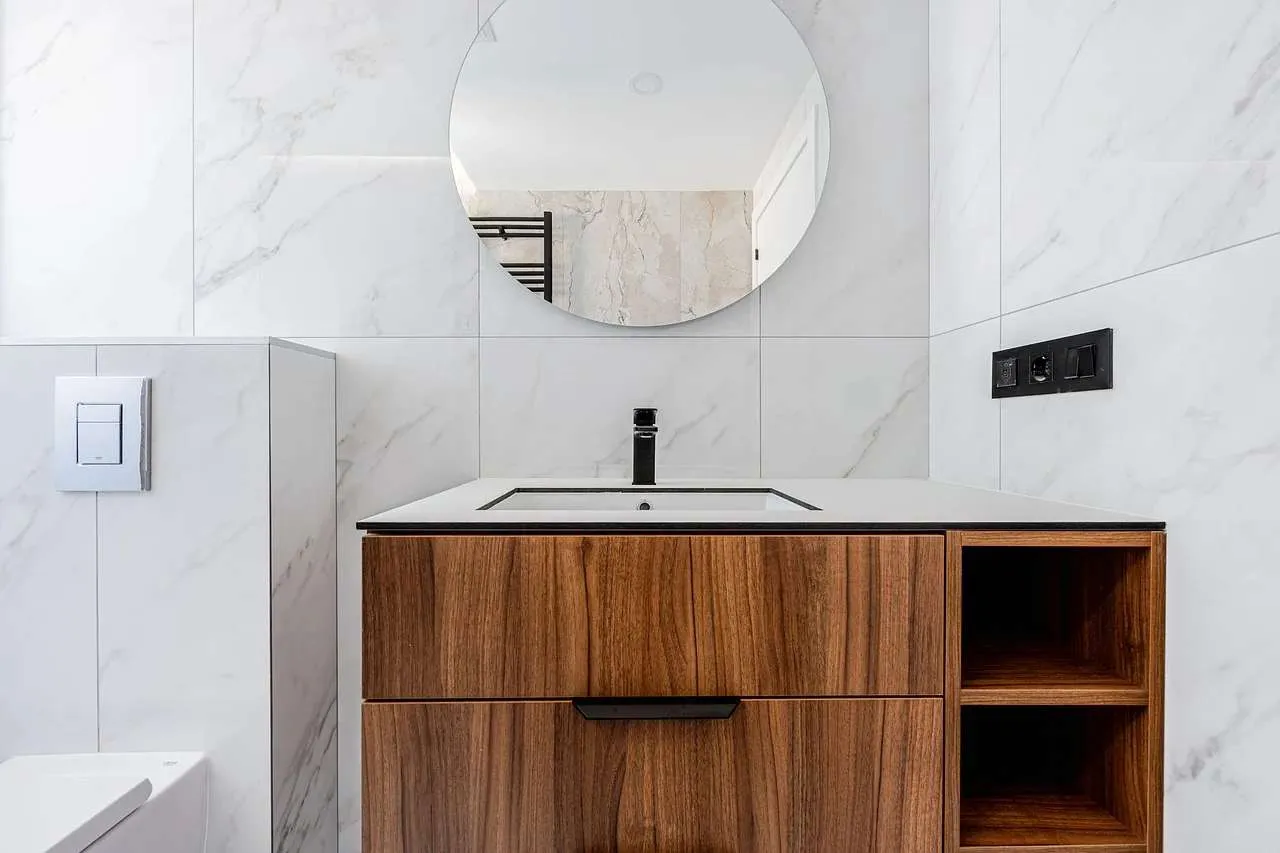
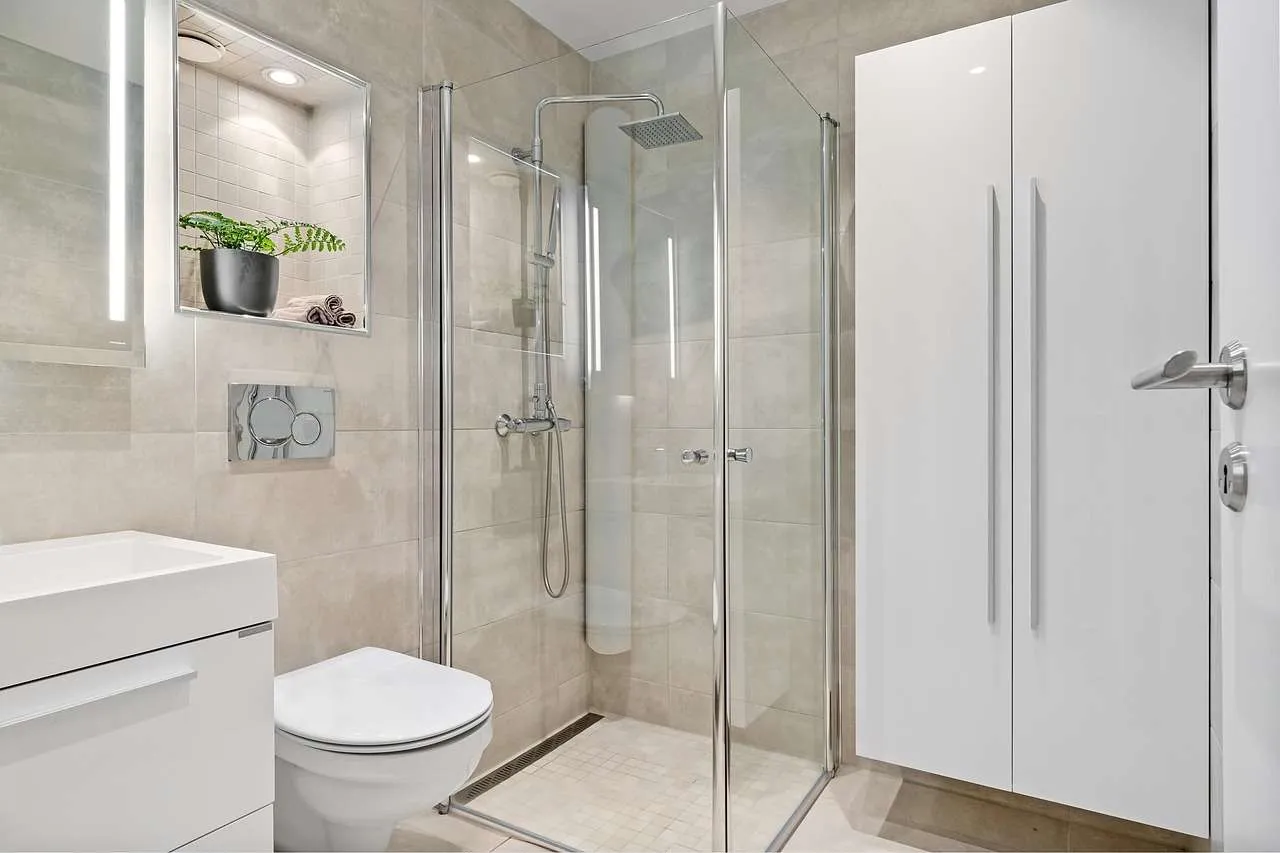
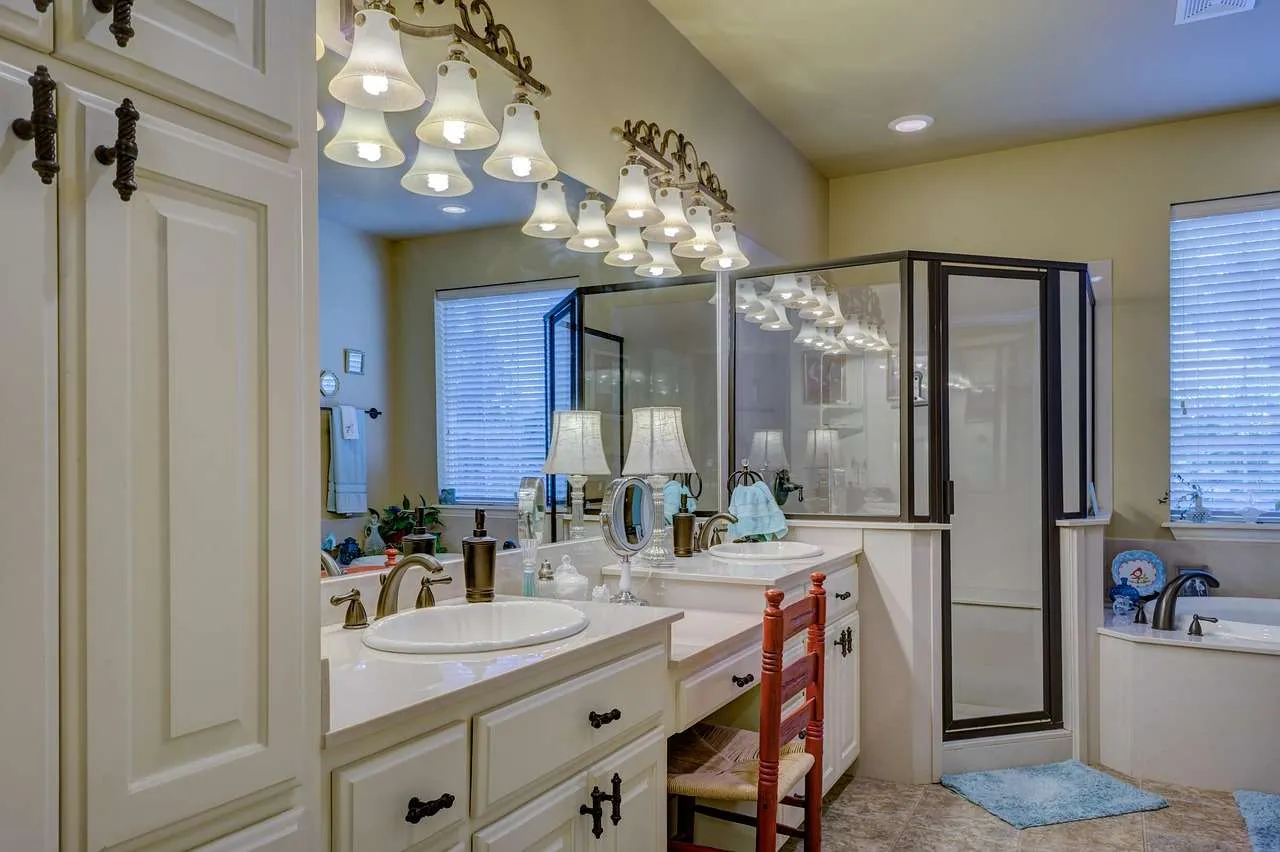
Match the accessories to your bathroom's overall vibe. Modern spaces benefit from clean lines and minimal hardware in matte or brushed finishes. Traditional or transitional baths respond well to warm metals like brass or oil-rubbed bronze paired with natural textures. Coastal rooms shine with light finishes and white or blue accents, while rustic spaces benefit from wood toned vanities and metal accents that weather gracefully. The key is consistency: repeat one or two finishes across fixtures to create visual harmony and a calm, intentional feel. Test sample finishes with your tile and cabinetry under the bathroom lighting to confirm color accuracy.
Comparison: Materials and Finishes
| Material | Finish | Pros | Cons | Best For |
|---|---|---|---|---|
| Stainless steel | Chrome or Brushed | Highly durable; corrosion resistant; easy to clean | Fingerprints show on polished surfaces | Wet zones and high-use areas |
| Brass | Polished or Oiled | Timeless look; strong and durable; resists corrosion | Can tarnish if not sealed; more maintenance with lighter finishes | Traditional or vintage-inspired bathrooms |
| Aluminum | Matte or Brushed | Lightweight; cost-effective; resistant to corrosion | Less sturdy for heavy loads; dents possible | Modern minimalist spaces |
| Ceramic or Porcelain | White or Gloss | Excellent water resistance; easy to clean | Brittle if dropped; limited flexibility in hardware | Soap dishes and room accents |
Maintenance and Longevity
Regular cleaning with gentle products preserves finishes and prevents buildup that leads to staining or corrosion. Wipe metal surfaces dry after use, avoid harsh abrasives, and reseal wood elements designed for bathrooms when recommended by the manufacturer. Inspect mounting hardware periodically and tighten screws to maintain stability and safety. Choosing parts from reputable brands also supports long-term performance. Set a calendar reminder to inspect hardware every 6 to 12 months.
Conclusion, choosing the right bathroom accessories balances aesthetics and practicality while ensuring durability in moist environments.